Uncover hidden gems, local attractions, and must-visit destinations across Ghana. Your adventure starts here.
Start ExploringFind exactly what you're looking for
Must-visit places across Ghana
One of the most visited sites in Ghana, Cape Coast Castle is a UNESCO World Heritage Site and a powerful reminder of the Trans-Atlantic Slave Trade. The castle served as a major hub for the export of enslaved Africans. Today, it houses a museum and offers guided tours through its dungeons, the "Door of No Return," and historical exhibitions.
Built by the Portuguese in 1482, Elmina Castle (São Jorge da Mina) is the oldest European building in sub-Saharan Africa and another UNESCO World Heritage Site. The castle played a central role in the Atlantic slave trade. A guided tour reveals the male and female dungeons, the Governor's courtyard, and the harrowing "Door of No Return."
A tropical rainforest reserve famous for its elevated canopy walkway — one of only a few in Africa. The walkway stretches 350 metres across seven bridges, suspended 30 metres above the forest floor. Home to over 200 bird species, forest elephants, and numerous primates. An unforgettable adventure for nature lovers.
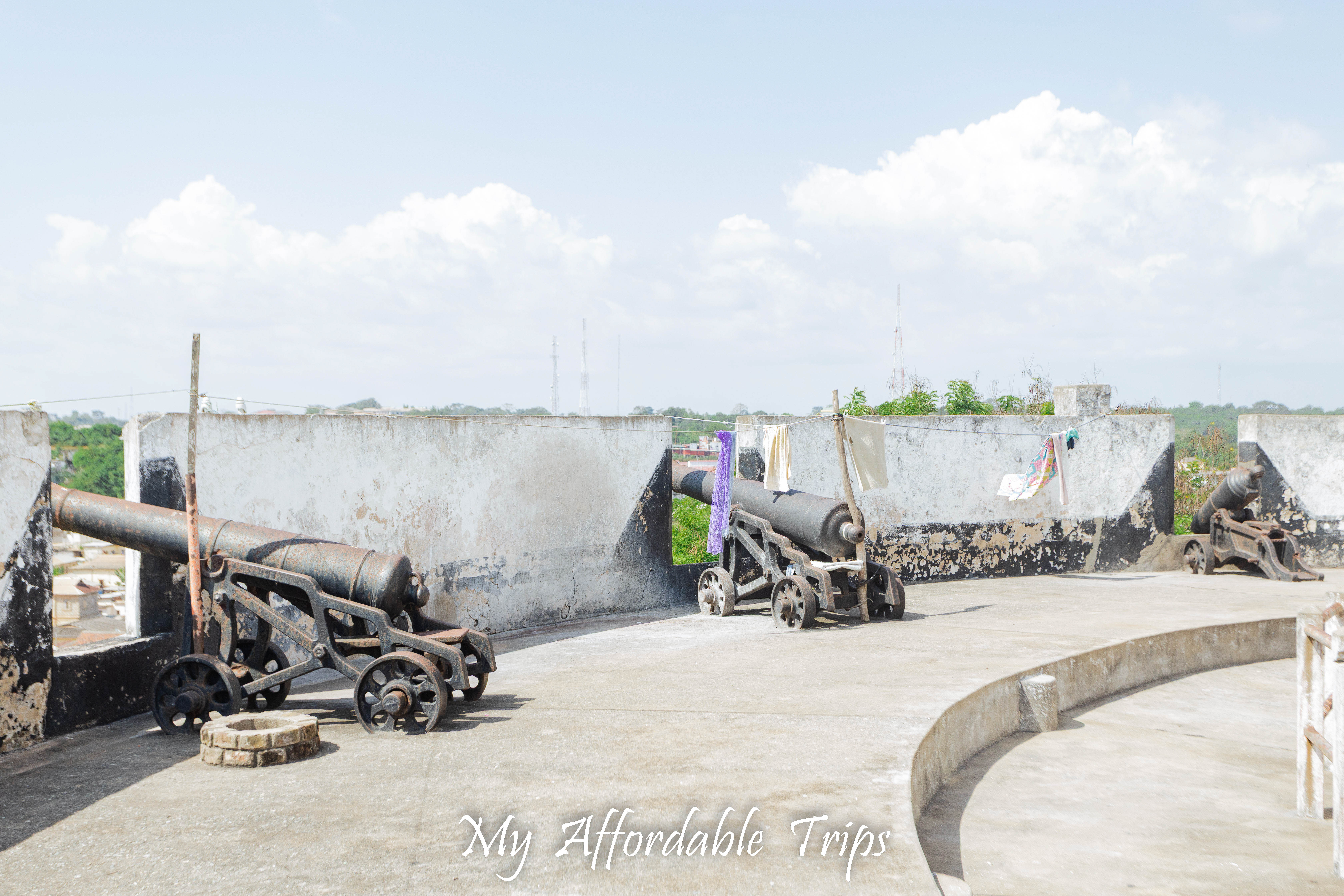
A picturesque 17th-century Dutch fort perched on a hill overlooking Elmina Castle and the fishing harbour. Originally built by the Portuguese in 1555 and rebuilt by the Dutch in 1637. Offers breathtaking panoramic views of Elmina town, the lagoon, and the Atlantic Ocean.
The final resting place where enslaved Africans took their last bath on Ghanaian soil before being marched to the coastal castles. This sacred site features the Ancestral Slave River, a memorial garden, and the graves of two diaspora Africans — Christiana Doce and Samuel Adai — who were repatriated from Jamaica and the United States.
A small but historically significant cemetery in Elmina dating to the Dutch colonial period. Contains the graves of Dutch traders, administrators, and soldiers from the 17th and 18th centuries. A quiet, reflective site offering insight into the European presence in Ghana.
A British fort built in the 18th century in Anomabo, one of Ghana's most historically significant sites for the slave trade. The fort sits directly above the beach where enslaved Africans were loaded onto ships. Now used as a boutique hotel, you can stay in the very rooms that served as dungeons.
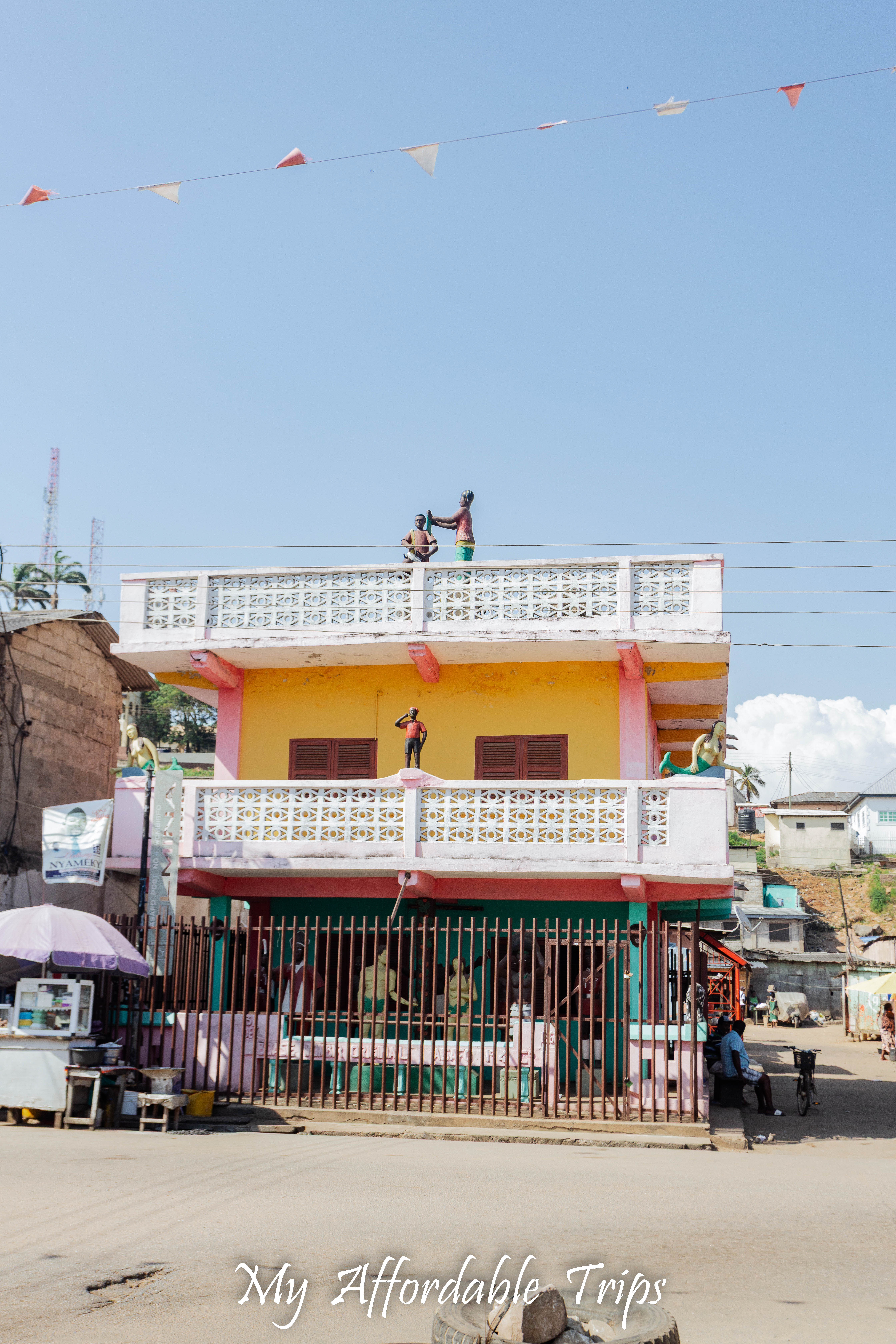
Unique military shrines (Posubans) built by Fante Asafo companies across Cape Coast and Elmina. These colourful monuments feature statues, symbols, and motifs representing each company's history and power. Scattered throughout the towns, they are a fascinating example of Fante architectural tradition.
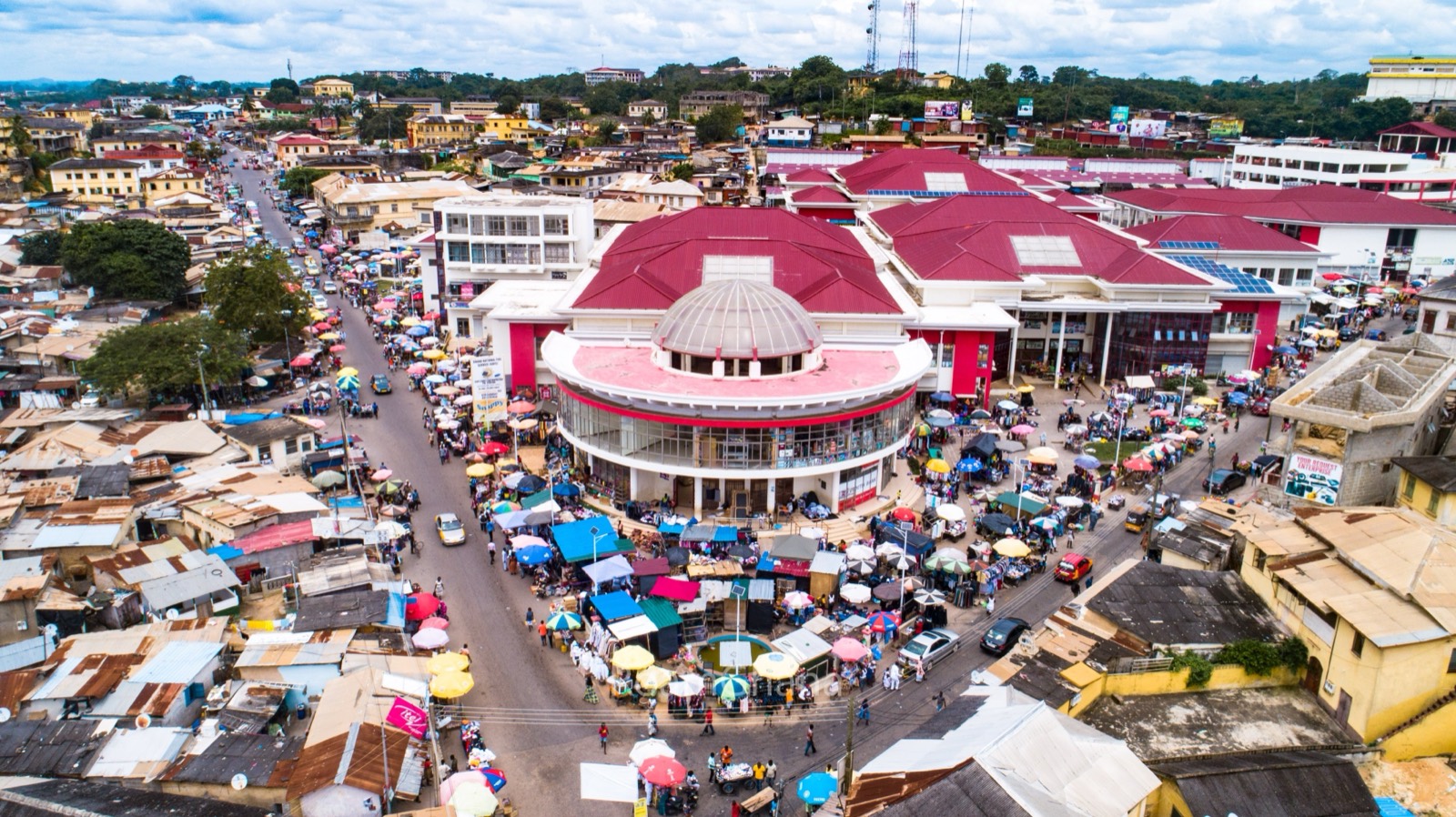
Cape Coast's main market and a vibrant hub of local commerce. Browse stalls selling fresh produce, traditional fabrics, spices, crafts, and everyday goods. An authentic cultural experience offering a window into local life. Best visited in the morning when activity is at its peak.
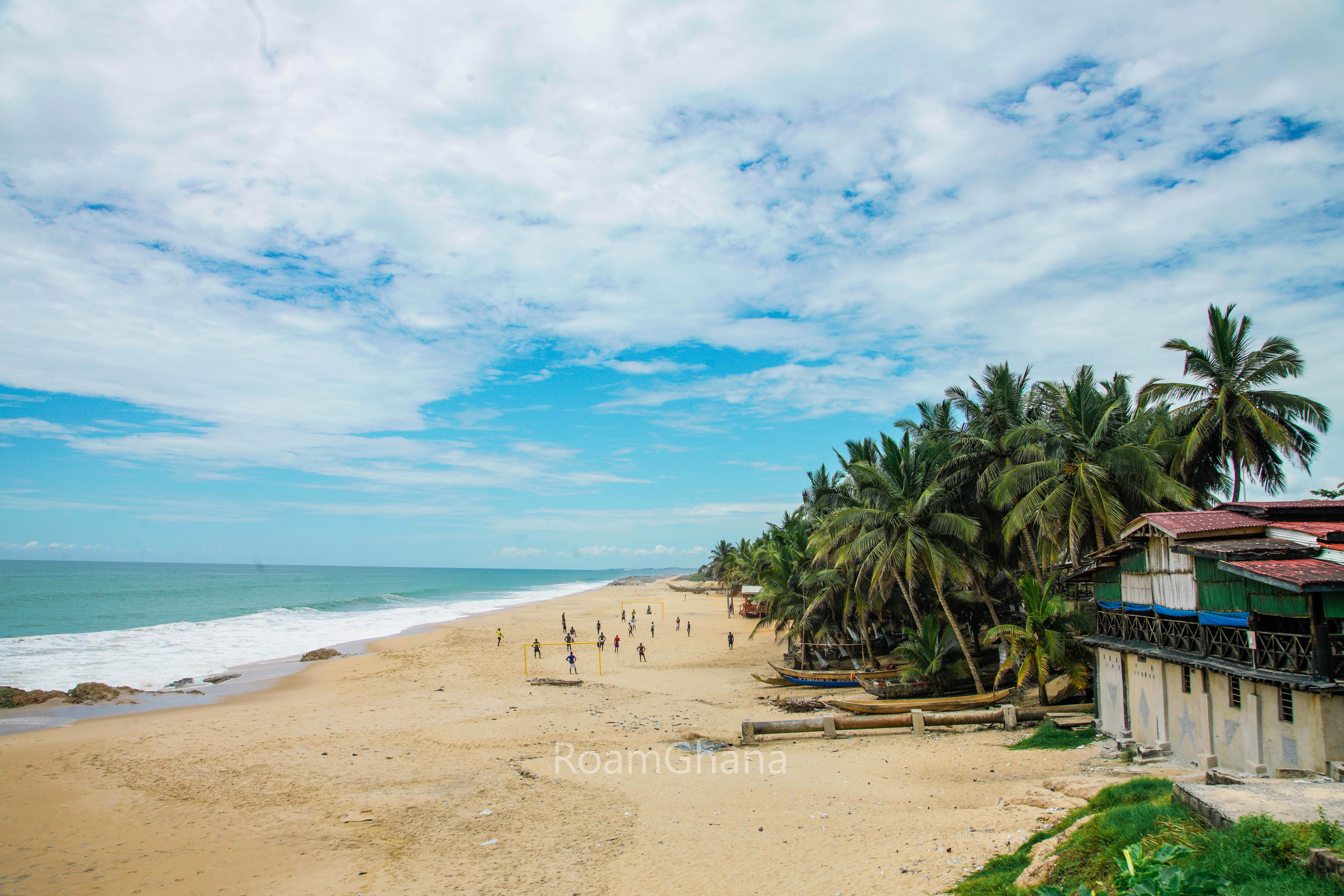
A popular stretch of beach along the Gulf of Guinea, just steps from Cape Coast Castle. Watch local fishermen launch their colourful boats, enjoy fresh seafood at beachside restaurants, and take in dramatic sunsets over the Atlantic. A great spot for relaxing after a day of historical touring.
Located in the heart of Cape Coast, the Catholic Museum preserves the history of Catholic missionary activity in Ghana. The museum houses religious artefacts, historical photographs, documents, and exhibits tracing the arrival and spread of Catholicism across the Central Region. A quiet, reflective space offering insight into the interplay of faith and colonialism in Ghana.
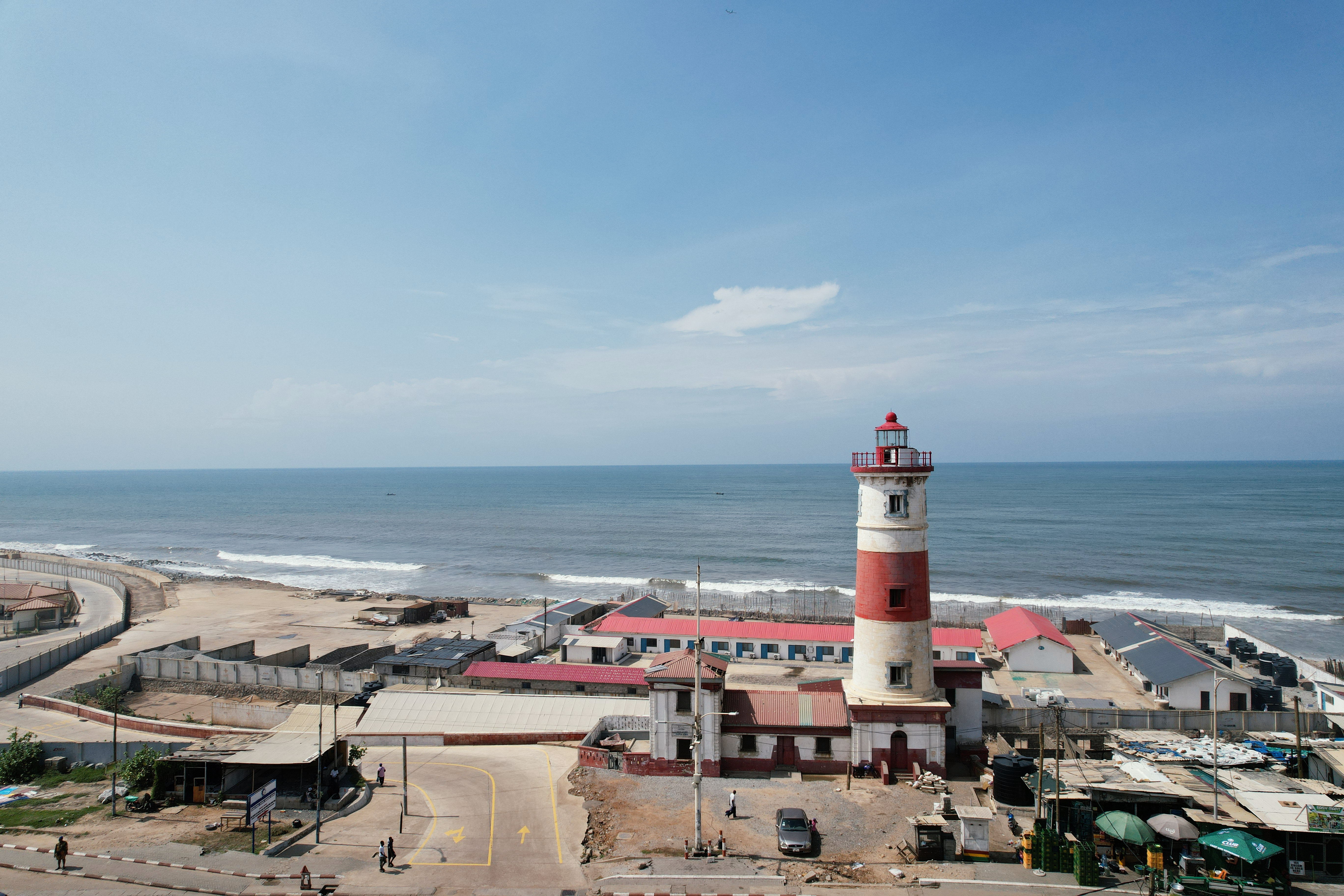
A historic lighthouse standing sentinel over the Cape Coast coastline, offering dramatic aerial and elevated views of the town, the castle, and the Atlantic Ocean. Built during the colonial era, it remains an iconic landmark and a favourite spot for photographers and sightseers.
A unique eco-resort and wildlife sanctuary located between Cape Coast and Elmina. Hans Cottage Botel is built over a lagoon teeming with crocodiles, which guests can feed and observe up close. Surrounded by lush vegetation with birdwatching opportunities and a restaurant serving local cuisine — a perfect blend of nature and leisure.